Menu
open menu
close menu


- Products
- Self-Storage
- Commercial/Industrial
- Nokē™ Smart Entry
- Resources
- Blog/News
- Investors
- About Us



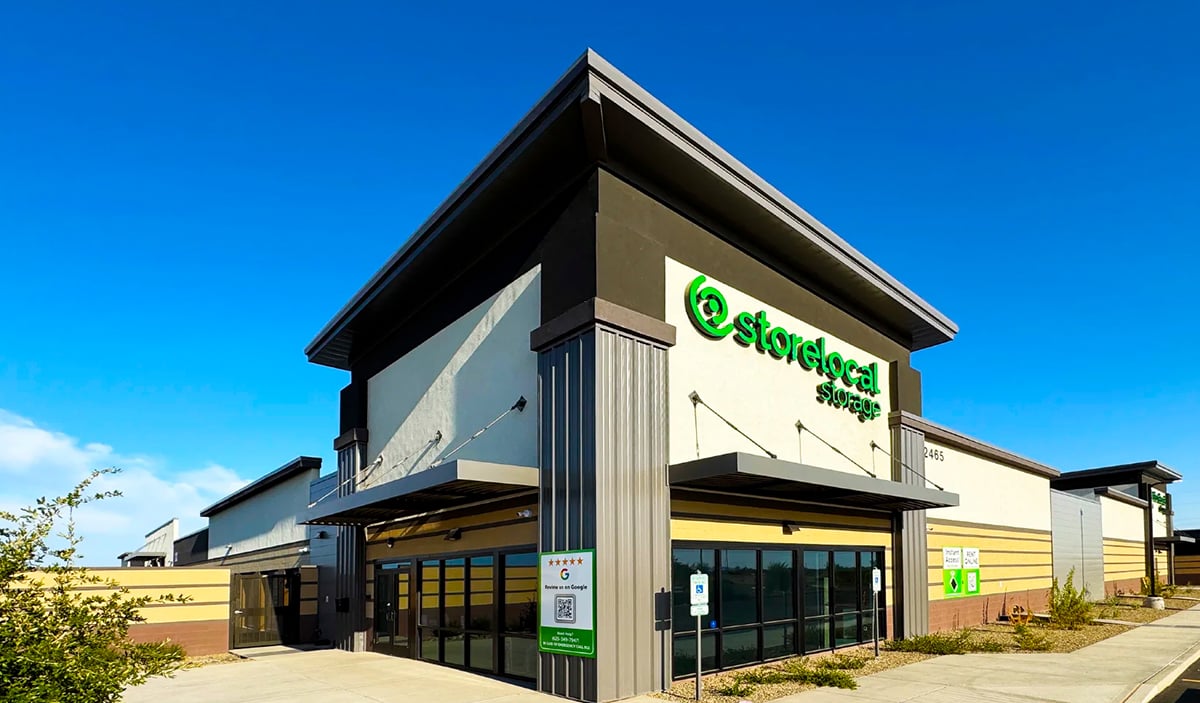
Smart self-storage security is evolving from a feature into a foundation. For Cedar Creek Capital, it became the backbone of scaling a 13,000-door portfolio—transforming how they rent, operate, and secure their facilities. In a recent webinar, Cedar Creek Capital CEO AJ Osborne and Janus International’s Director of Nokē Sales, John Bilton, outlined that journey—from early experimentation to large-scale retrofits—and what operators can learn.
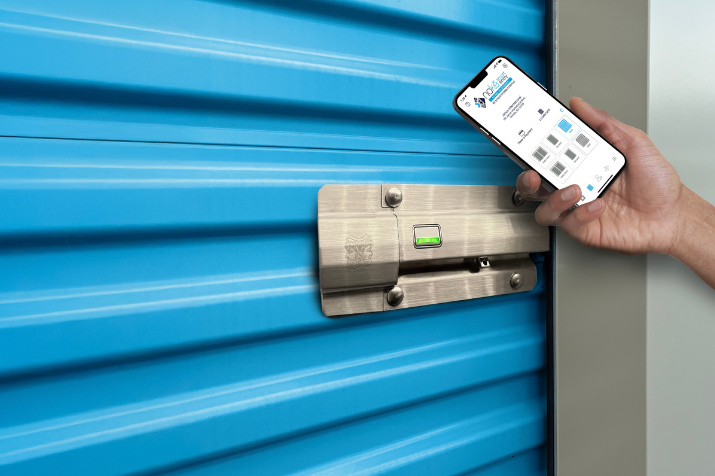
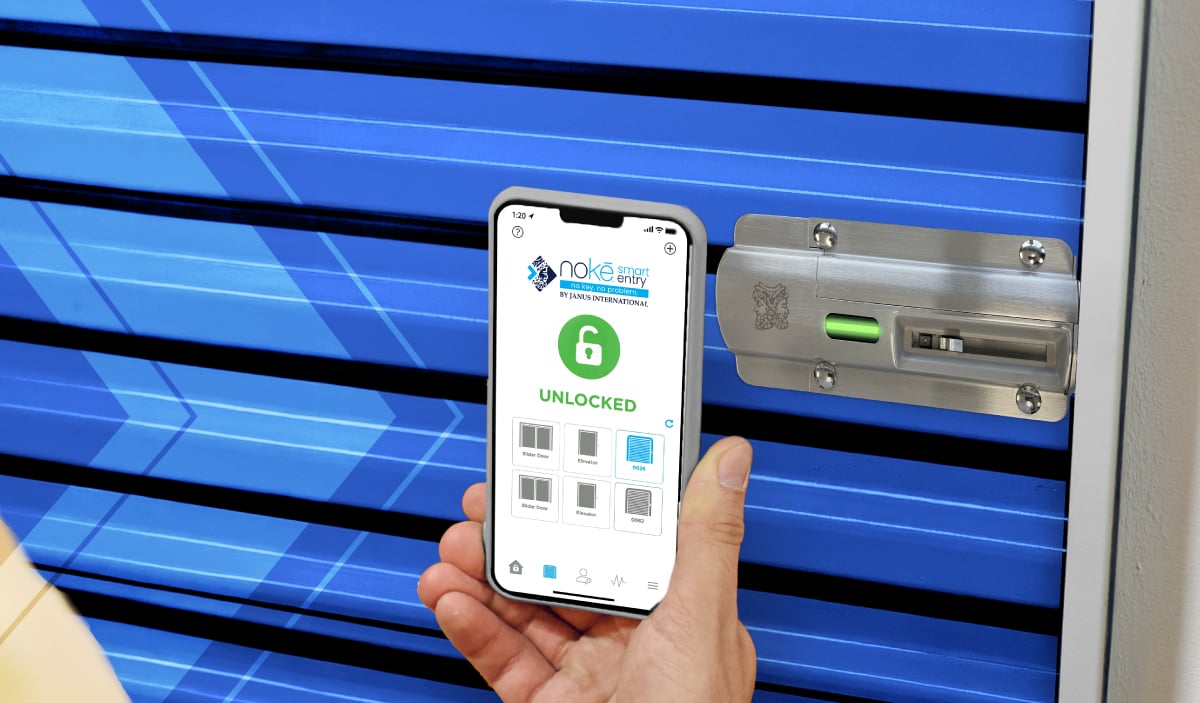
Cedar Creek’s approach started in 2018 with a large Reno conversion project. At the time, smart locks were essentially “version one”—with no playbook for deploying them at scale. Despite that uncertainty, Cedar Creek installed early-generation Nokē technology across a 1,000+ unit, multi-entry facility to see how it would perform in the real world.
Their thesis was simple: technology and data wouldn’t just influence storage—they would define it and become essential to meeting customer expectations.
Today’s consumers are used to managing banking, travel, and home security from their phones. Cedar Creek recognized early that storage would need to meet those expectations to remain competitive.
The impact of technology and data on the storage industry is not important—it’s necessary. Not providing the customers with the option just means you lose.” – AJ Osborne, Owner Cedar Creek Capital
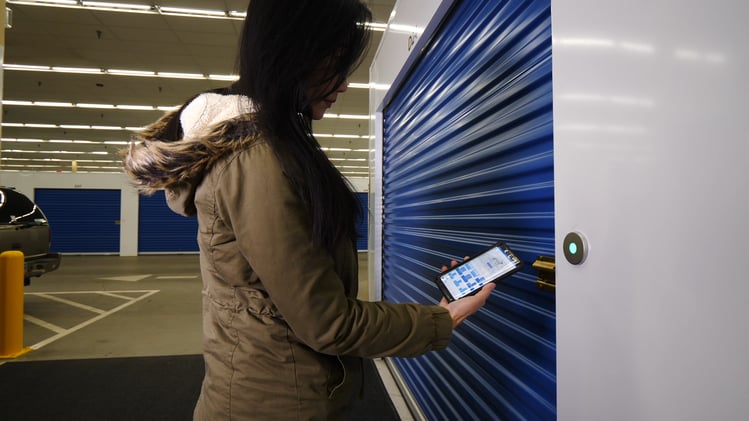
After years of testing and refining the model, Cedar Creek went big. By 2025, they moved from experimentation to scale—launching a major retrofit initiative across:
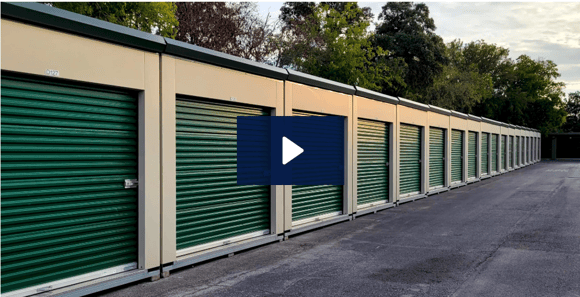
Door replacements played a critical role. New doors improved curb appeal, reduced ongoing maintenance, and reinforced the perception of a modern, secure facility. By bundling door replacements with smart hardware, Cedar Creek was able to upgrade both the look and functionality of each site in a single, efficient project cycle.
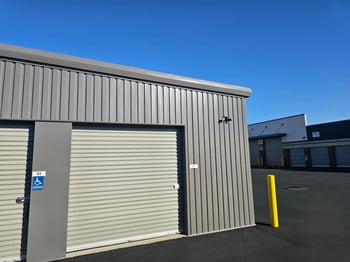
One of Cedar Creek’s biggest early realizations was that success wasn’t about convincing customers to adopt new technology—it was about executing the retrofit correctly at scale.
The real complexity came from operational considerations, including:
Rather than treating this as a simple hardware install, Cedar Creek worked closely with their trusted partners at Janus and Nokē to implement a structured, tenant-first retrofit process designed to protect both operators and renters.
A critical component of that process is clear tenant communication. Before any work begins, tenants are notified in advance that their unit will be accessed, with defined timelines based on local notice requirements. This transparency helps set expectations and maintain trust throughout the upgrade.
Onsite, the execution was highly controlled and standardized by the Janus and Nokē teams:
This approach ensures that tenant goods remain protected, undisturbed, and fully secure, while giving operators confidence that upgrades are being handled responsibly and compliantly.
Just as important as the physical installation is system integration. Cedar Creek found that the real value of self-storage smart locks came when they were fully connected to:
With Janus supporting the installation and implementation end to end, Cedar Creek was able to move from early experimentation to a repeatable model—ultimately scaling across thousands of units and multiple states.
The takeaway:
Successful retrofits aren’t just about installing new technology—they require careful proven products, planning, tenant communication, and coordinated execution to deliver results at scale.
Cedar Creek’s experience shows that smart-security retrofits and door upgrades drive ROI across three key areas:
For Cedar Creek, revenue growth from smart-security retrofits wasn’t theoretical—it showed up quickly and measurably across existing sites.
Rental increases were immediately justifiable because tenants could see the improvements in the infrastructure and the technology.
Within the first 12 months of deploying self-storage smart locks and integrated systems, Cedar Creek saw a dramatic increase in online rentals, with online move-ins doubling across retrofitted properties.
That growth was driven by a fully connected rental experience:
Unlike new development projections, these results came from live operating facilities, where performance improvements were visible almost immediately.
For Cedar Creek, the impact happened fast:
Just as important, the system enabled Cedar Creek to capture more demand without adding operational complexity. With more tenants renting digitally and fewer requiring in-person support, facilities generated incremental revenue while keeping costs controlled.
The key takeaway:
When smart locks are paired with fully integrated systems, retrofit projects can deliver rapid, measurable revenue gains—without waiting for a new development lease-up cycle.
With automation in place, Cedar Creek reduced on-site staffing, typically cutting about half an employee per site while operating larger facilities with leaner teams.
Tasks that once required hands-on involvement—such as move-ins, lock cuts, delinquency handling, and access resets—are now automated through connected systems.
As a result, operations are more efficient and require less day-to-day intervention. Performance also improved, with delinquency dropping below 2% and more than 98% of tenants enrolling in auto-pay.
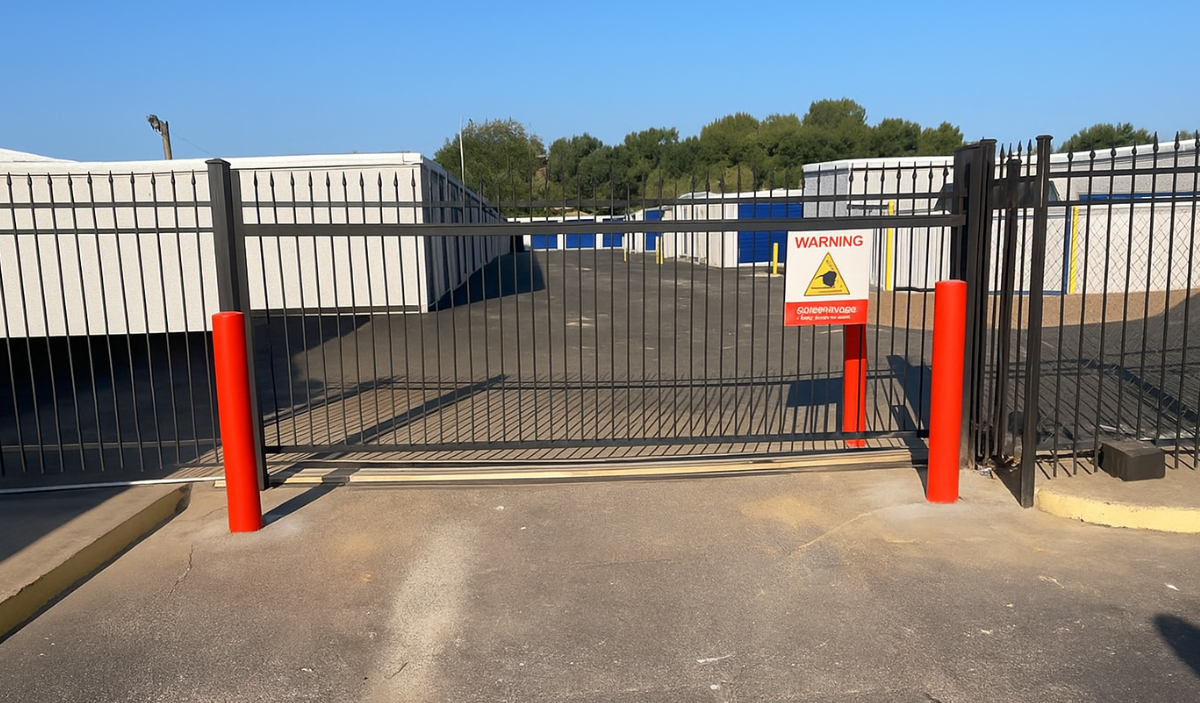
Upgrading locks alone wasn’t the strategy—Cedar Creek paired smart locks with enhanced cameras and stronger smart security to create a fully integrated solution.
The impact was immediate:
Industry data also supports this shift, with operators reporting up to 95% fewer break-ins on units with Nokē smart locks compared to traditional setups. An important secondary benefit is deterrence. When tenants and potential intruders know that access is logged, credentials are tied to specific individuals, and systems are monitored in real time, incidents often drop before they even occur.
Smart security delivers the most impact when it’s treated as a core part of your operation—not just an add-on upgrade. Cedar Creek’s results show what’s possible with that mindset: faster lease-ups, premium pricing, reduced staffing needs, delinquency below 2%, and improved security across thousands of units. The operators seeing these kinds of gains aren’t simply installing new locks—they’re rethinking how their facilities run from the ground up, from staffing models to digital leasing and the overall customer experience.
By building around a system designed to operate 24/7, not just during office hours, operators can unlock new revenue opportunities, reduce operational strain, and create a more seamless customer journey. Cedar Creek isn’t alone in seeing these results. See how another operator is achieving similar outcomes—watch the Don Clauson & Brian Foran, SPMI video case study to explore how Janus’ integrated approach, from door replacements to smart locks, is driving higher revenue, stronger security, and a better tenant experience: